
Stucco contractor in Hurricane.
Three-coat traditional, EIFS, repairs, and custom finishes, applied by hand. Serving homeowners, custom home builders, and general contractors in Hurricane since 2001.

| County | Washington, UT |
|---|---|
| Trade | Stucco / ST |
| Scopes | 6 |
| Working since | 2001 |
Working in Hurricane
We know Hurricane walls.
Hurricane sits near 3,258 feet, roughly 700 feet higher than St. George, and that difference shows up in plaster work. Nights cool off harder and earlier in the season, so the usable window for applying cement plaster closes sooner in autumn and opens later in spring than it does down in the basin. Plaster that has not reached strength when it takes a freeze loses that strength permanently, and the damage does not surface for months. The town also sits along the Hurricane fault, one of the major normal faults in the region, and the Utah Geological Survey maps surface fault rupture, expansive soil, collapsible soil, and gypsiferous soil and rock across the St. George and Hurricane area. Out toward Sand Hollow the surface is loose sand, and wind moves it. Sand blown into a wet finish coat leaves permanent pitting, so wind is part of the schedule here.
We watch overnight lows, not just daytime highs, and we do not put plaster on a wall that will drop near freezing before it has set. Spring and fall work gets mid morning starts on the sunny elevations so the coat has the whole warm part of the day behind it. On sandy sites toward Sand Hollow we screen and stage the wall so wind cannot blast the finish, and we skip windy afternoons outright rather than repairing pitting later. Control joints get spaced tighter on long unbroken elevations, because the daily temperature swing here is wider than it is on the valley floor.
| Elevation | 3,258 ft |
|---|---|
| Climate zone | 3B |
| Permits | Hurricane City Building Department, 147 N 870 W |
Utah Geological Survey Special Study 127 maps surface fault rupture along the Hurricane fault plus expansive soil, collapsible soil, gypsiferous soil and rock, and wind-blown sand across the Hurricane area.
Around town: Sand Hollow, Copper Rock, historic downtown grid
Stucco scope
A complete scope.
A finish coat lasts thirty years when the lath spacing, brown coat hydration, and corner detail are right. Most failures aren't about the finish, they start in the layers no one sees.
- 01Traditional 3-coat stucco
- 02EIFS systems
- 03Stucco repairs and matching
- 04Custom finishes & textures
- 05Color coat application
- 06Foam shapes & cornices
Other trades in Hurricane
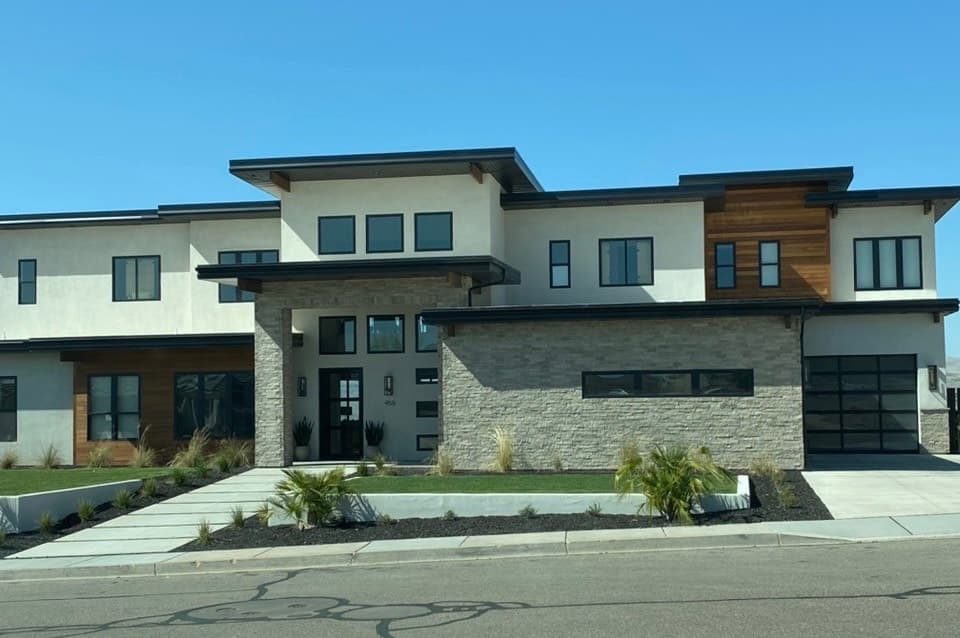
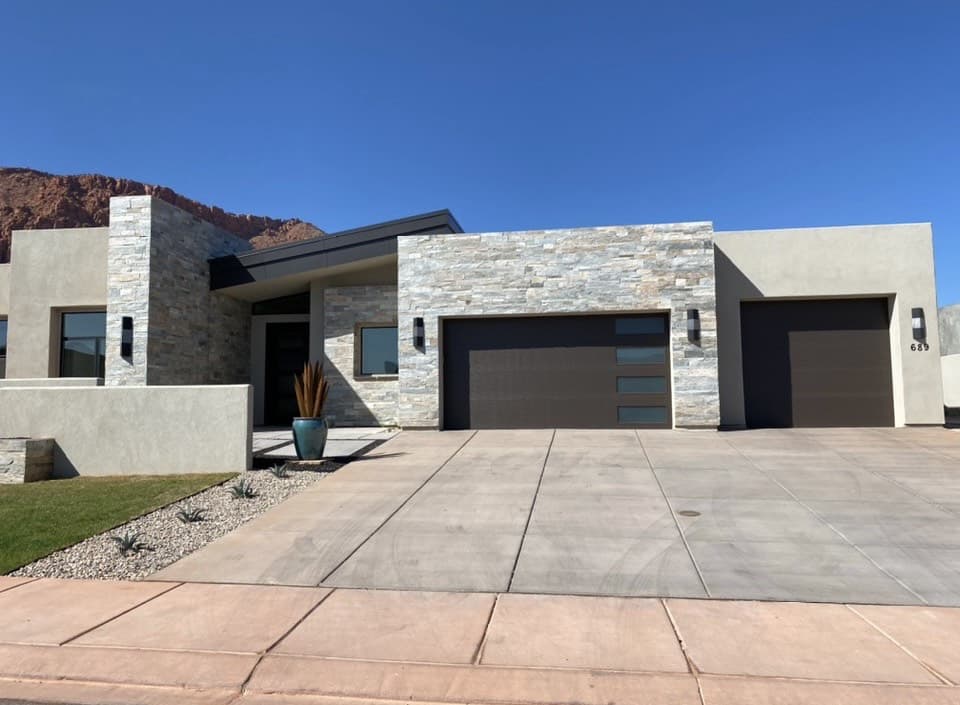
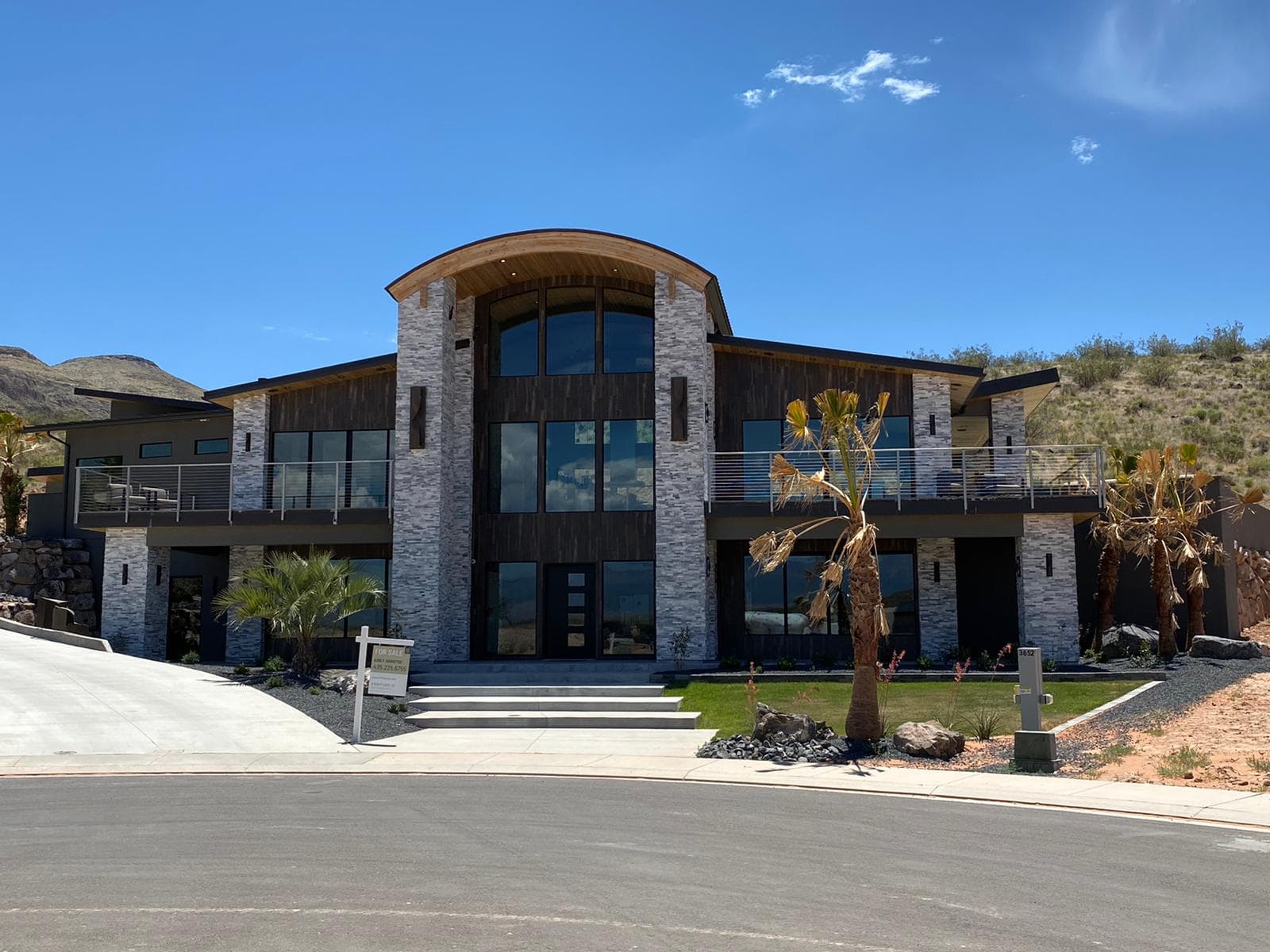
Three more trades, all in-house.
Hurricane questions
Asked in Hurricane.
Specific to stucco work here, not general questions about working with us.
Do I need a permit to re-stucco a home in Hurricane?
Ask Hurricane City Building Department before you start. They are at 147 North 870 West, applications go through their online CityInspect system, and the phone number is 435-635-2811. The residential exemption list covers painting and similar finish work but does not list exterior cladding, so re-stucco is not in the same category as a repaint. Hurricane also asks that you check with the city power department before certain work. Five minutes on the phone establishes whether your scope is a permit, a repair, or neither, and that is cheaper than finding out mid job.
Does Hurricane's elevation change when stucco can go on?
It shortens the season on both ends. Hurricane is about 700 feet above St. George, which is enough to bring colder overnight lows earlier in autumn and hold them later in spring. Cement plaster needs to stay above freezing while it hydrates and for a stretch afterward. A wall coated on a warm November afternoon that drops below freezing that night can lose strength you never get back, and it will look fine until the finish starts crumbling the following year. We plan late season and early season work around forecast lows rather than forecast highs.
Why does stucco near Sand Hollow look pitted or sandblasted on one side?
Wind. The ground around Sand Hollow is loose sand, and when it blows it carries. Sand driven into plaster while it is still wet embeds and leaves permanent pockmarks that no amount of paint will hide. On cured plaster, years of the same prevailing wind slowly erode the finish texture on one exposure, which is why a single elevation can look tired while the rest of the house looks fine. On a wet work day the answer is scheduling and screening. On an already eroded wall it is a fresh finish coat over that whole plane, not a patch.
Does the Hurricane fault mean the cracks in my stucco are earthquake damage?
Almost never. The Hurricane fault is real and the Utah Geological Survey does map surface fault rupture hazard through this area, but the everyday cracking on a house comes from ordinary causes: thermal cycling, soil moisture change under the footing, and normal shrinkage in the plaster. Fine cracking in the middle of a wall field is a plaster issue. Cracks that run diagonally out of opening corners, keep widening season over season, and pair with doors that stick or floors that slope are a structural question, and that belongs to a structural engineer rather than a plasterer.
Worth reading before you bid it out.
Tell us about your Hurricane project.
We respond within one business day with a site walk, a sample, or a line-item estimate.
| Response | One business day |
|---|---|
| Hours | Mon-Fri, 8am to 5pm |