
Stucco contractor in Cedar City.
Three-coat traditional, EIFS, repairs, and custom finishes, applied by hand. Serving homeowners, custom home builders, and general contractors in Cedar City since 2001.

| County | Iron, UT |
|---|---|
| Trade | Stucco / ST |
| Scopes | 6 |
| Working since | 2001 |
Working in Cedar City
We know Cedar City walls.
Cedar City sits at 5,800 feet, and that number drives everything about plaster work here. Iron County is IECC climate zone 5B, a genuinely colder zone than the 3B valley floor around St. George. The Western Regional Climate Center period-of-record summary for the Cedar City station shows about 145 days a year with a minimum temperature at or below freezing, against roughly 96 for St. George. January and December each average around 27 of those days, and March still averages about 21. Cement stucco cures by hydration, and hydration effectively stops near freezing. Worse, fresh plaster that freezes before it has developed strength suffers permanent damage in the pore structure, so it looks fine on the wall and then fails early. That means Cedar City has a real season, and pretending otherwise produces work that does not last. The Utah Geological Survey also identifies collapsible soils and flooding as historically the costliest hazards in Cedar Valley, plus earth fissures from long-term groundwater decline.
We plan Cedar City stucco around the calendar. Work goes in when overnight lows will stay above freezing for the period the plaster needs to gain strength, not just for the day it goes on. Late season and shoulder season jobs get tented and heated, with heat held continuously rather than switched off overnight, and we check overnight forecasts before committing a wall. Mixes get adjusted for cooler placement, and cure gets managed for moisture as well as temperature. Control joints, weep screed height, and lath detail follow the same standards as anywhere, but with more joint attention because a colder climate cycles the wall harder.
| Elevation | 5,800 ft |
|---|---|
| Climate zone | 5B |
| Permits | Cedar City Corporation Building and Zoning |
The Utah Geological Survey states collapsible soils and flooding have historically been the costliest hazards in Cedar Valley, and separately documents about 100 square miles of land subsidence and at least 8.3 miles of earth fissures from groundwater withdrawal.
Around town: SUU historic district, Utah Shakespeare Festival, Cedar Breaks
Stucco scope
A complete scope.
A finish coat lasts thirty years when the lath spacing, brown coat hydration, and corner detail are right. Most failures aren't about the finish, they start in the layers no one sees.
- 01Traditional 3-coat stucco
- 02EIFS systems
- 03Stucco repairs and matching
- 04Custom finishes & textures
- 05Color coat application
- 06Foam shapes & cornices
Other trades in Cedar City
Three more trades, all in-house.
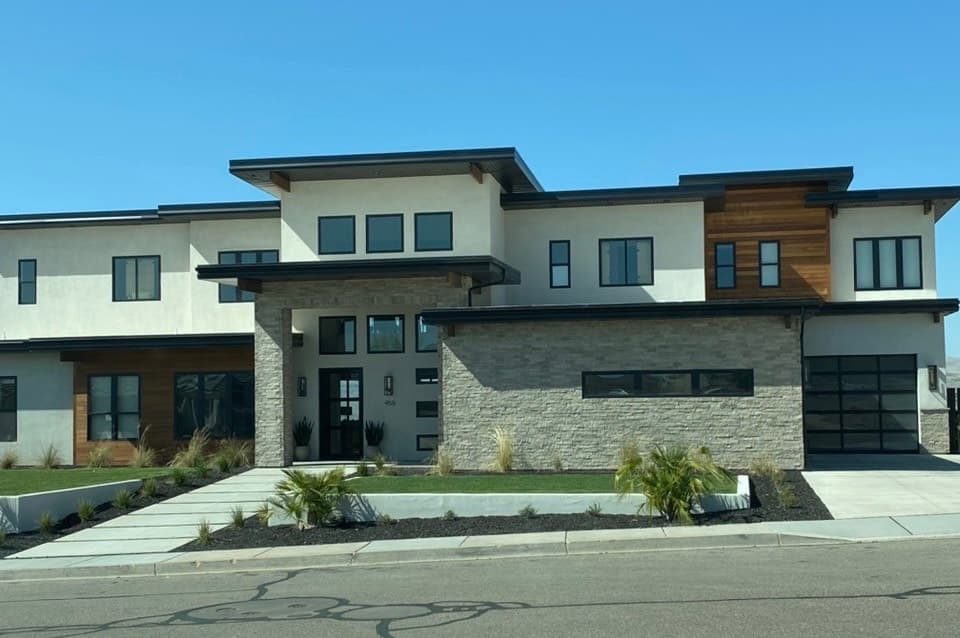
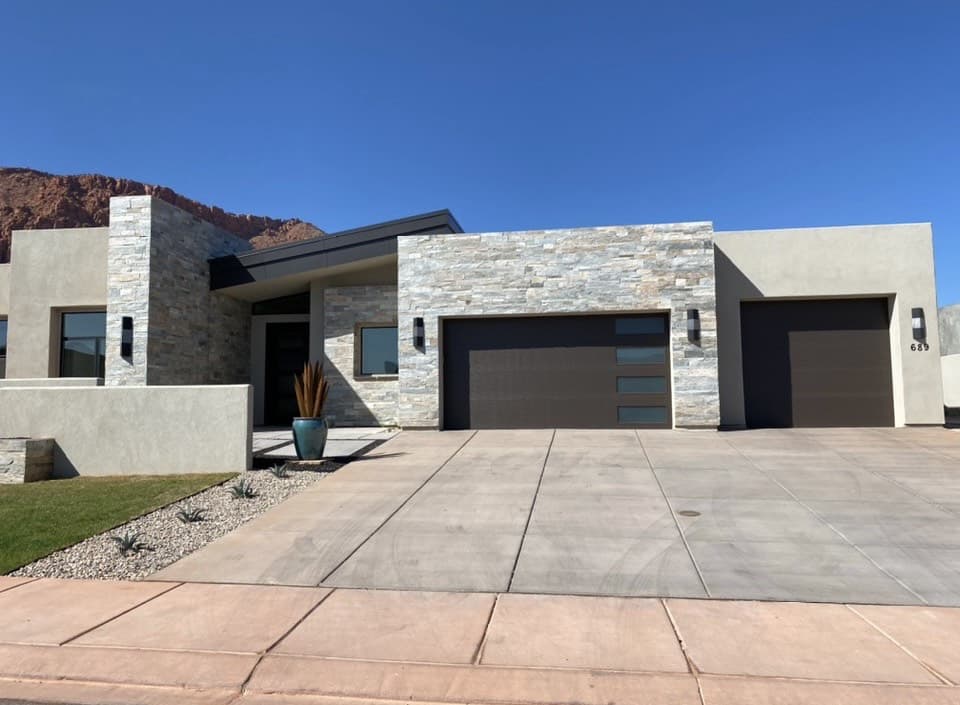
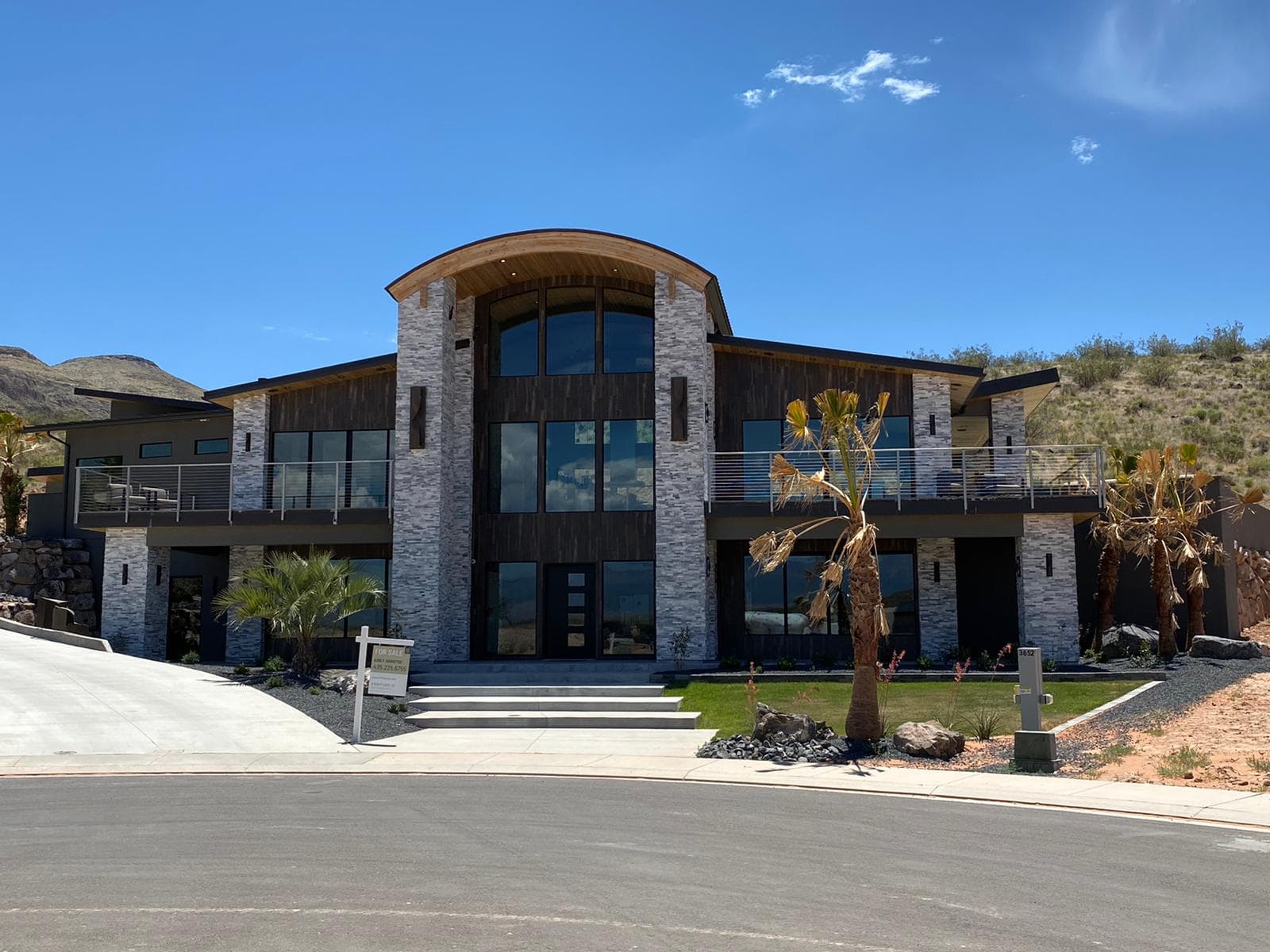
Cedar City questions
Asked in Cedar City.
Specific to stucco work here, not general questions about working with us.
Can you stucco in Cedar City in February?
Honestly, usually not, and we will tell you that rather than take the job. The Cedar City station averages around 25 days in February with a minimum at or below freezing. Cement stucco needs to stay above freezing while it gains strength, and freshly placed plaster that freezes is permanently weakened even if it looks fine. It can be done inside a heated enclosure with heat maintained around the clock, which is a real cost and a real setup. For most residential work the better answer is to schedule it for spring.
When does the stucco season actually open and close in Cedar City?
Look at overnight lows rather than the calendar. Cedar City still averages roughly 21 freezing nights in March and about 12 in April, so early spring is workable but weather dependent, and we watch the forecast job by job. May through September is the reliable window, with June through August essentially free of freezing nights. October averages about 6 freezing nights and November jumps to around 21, so late October is normally the honest end of the exterior plaster season here.
Why does stucco seem to fail faster in Cedar City than down in St. George?
Freeze-thaw cycling. Cedar City averages roughly 145 days a year at or below freezing versus about 96 in St. George, and at 5,800 feet many of those days cross the freezing line twice, thawing in the sun and refreezing at night. Any water sitting in the plaster expands each time it freezes and works the pore structure apart. That is why water management matters more here: kickout flashing, correct weep screed height, sound joint sealant, and gutters that actually move water off the wall instead of down it.
Do the collapsible soils in Cedar Valley affect my stucco?
Indirectly, but meaningfully. The Utah Geological Survey identifies collapsible soils and flooding as historically the costliest hazards in Cedar Valley, and collapsible soil settles when it is wetted for the first time, typically by irrigation, a broken line, or poor drainage rather than by rain. When the ground under part of a foundation drops, the stucco skin cracks along the movement. The valley also has documented land subsidence and earth fissures from long-term groundwater decline. Keeping water controlled and away from the foundation is the single most useful thing a homeowner here can do.
Worth reading before you bid it out.
Tell us about your Cedar City project.
We respond within one business day with a site walk, a sample, or a line-item estimate.
| Response | One business day |
|---|---|
| Hours | Mon-Fri, 8am to 5pm |